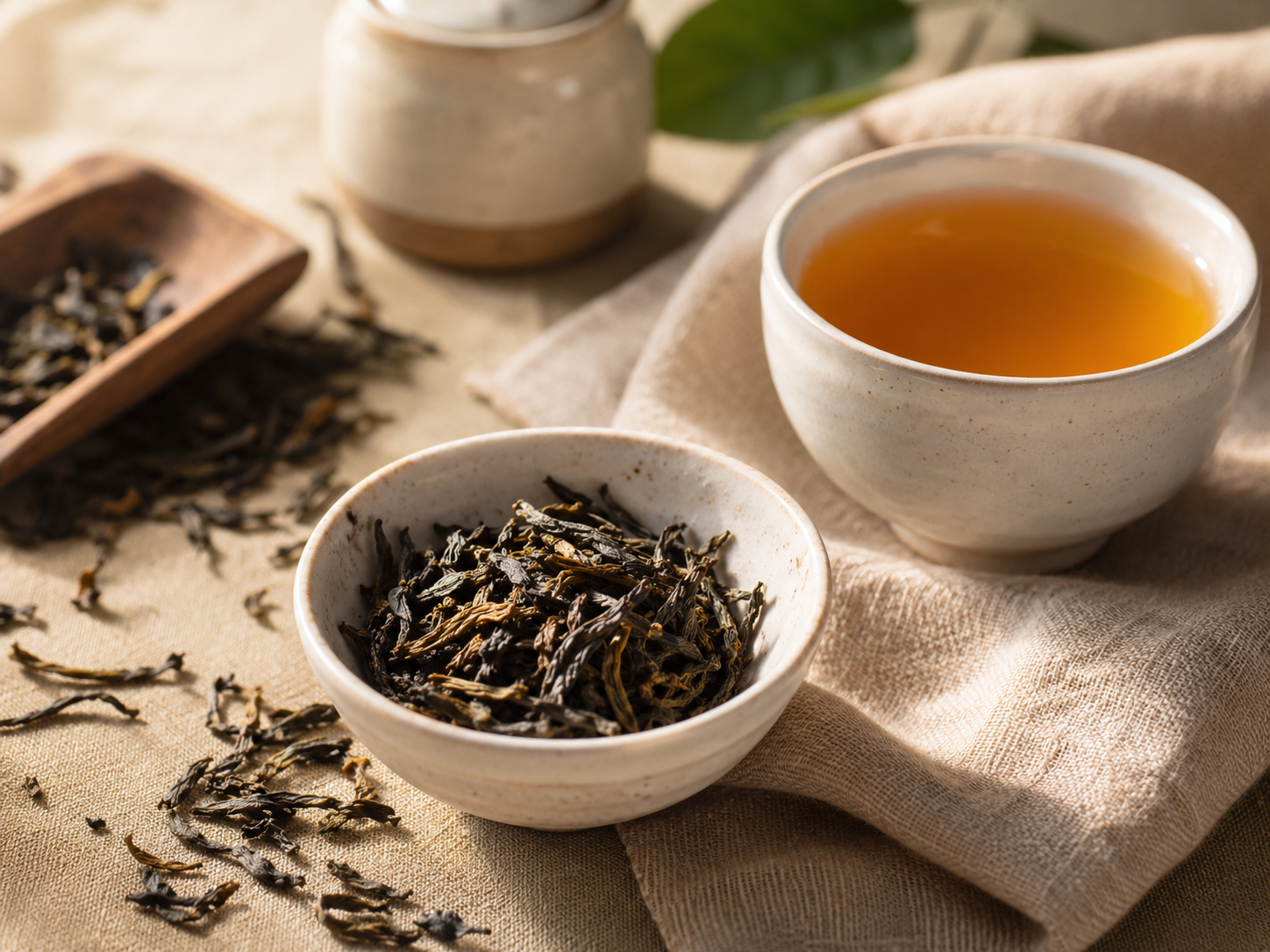
What Is Darjeeling Tea? A Beginner’s Guide to India’s Champagne of Teas
A simple guide to Darjeeling tea’s origin, taste, harvest seasons and why it is considered one of India’s most refined teas.
Darjeeling tea is one of the most famous teas in the world, but for many people it is still a little mysterious. Is it a black tea? Is it always light? Why is it called the “champagne of teas”? And what makes it different from the strong black teas many people drink with milk?
The short answer is this: Darjeeling tea is a premium tea grown in the Darjeeling district of West Bengal, India, in the foothills of the Himalayas. It is known for its delicate aroma, elegant flavour and strong connection to its mountain origin.
Unlike many everyday black teas, Darjeeling is not usually valued for strength alone. It is valued for finesse, fragrance, seasonal character and origin.
This beginner’s guide explains what Darjeeling tea is, how it tastes, how it is made, what the different harvest seasons mean, and how to choose a Darjeeling tea if you are just starting your journey into premium tea.
What is Darjeeling tea?
Darjeeling tea is tea grown in the Darjeeling region of India. The area sits in the Himalayan foothills, where cool air, mist, rainfall, altitude and mountain soil shape the tea leaves.
Darjeeling is not only a tea style. It is also an origin. This matters because a true Darjeeling tea should come from that specific region, just as Champagne comes from Champagne in France.
The tea is made from the leaves of the Camellia sinensis plant. Depending on how the leaves are harvested and processed, Darjeeling can be made as black tea, green tea, white tea or oolong-style tea. However, when people say “Darjeeling tea,” they usually mean Darjeeling black tea.
Still, Darjeeling black tea is not always dark, heavy or strong. Many Darjeeling teas are lighter, more floral and more aromatic than the typical breakfast teas found in supermarkets.

Why is Darjeeling called the “champagne of teas”?
Darjeeling is often called the “champagne of teas” because of its origin, reputation and refined taste.
The comparison is not about bubbles. It is about place. Just as Champagne is associated with a specific region and style, Darjeeling tea is associated with a specific mountain origin and a distinctive character.
A good Darjeeling tea can feel delicate, bright and expressive. It may show floral notes, fruit notes, a soft sweetness, a fresh green character or a deeper muscatel flavour depending on the harvest season.
This is why Darjeeling is often appreciated by people who enjoy tea slowly. It is a tea you can taste, compare and learn from.
Where does Darjeeling tea come from?
Darjeeling tea comes from the Darjeeling district in West Bengal, India. The tea gardens are located in and around the Himalayan foothills, where the landscape is steep, green and often covered in mist.
This origin shapes the tea in several ways:
- Altitude slows the growth of the tea leaves, helping create more delicate flavours.
- Cool mountain air supports a lighter and more aromatic cup.
- Mist and rainfall influence the freshness and character of the leaf.
- Seasonal harvests create different flavour profiles throughout the year.
This is one of the reasons Darjeeling tea is so interesting. It changes with the season, the garden, the weather and the processing style.
For ChaiSoul, this sense of origin is important. Darjeeling is not just a product name. It is a place, a landscape and a tea tradition.
Is Darjeeling tea black tea?
Most Darjeeling tea sold in Europe is black tea, but Darjeeling can be produced in several styles.
Here is a simple overview:
| Type of Darjeeling tea | How it usually tastes | Beginner note |
|---|---|---|
| Darjeeling black tea | Floral, fruity, muscatel, light to medium body | The most classic style |
| Darjeeling green tea | Fresher, grassy, lighter | Less oxidised than black tea |
| Darjeeling white tea | Very delicate, soft, subtle | Usually more premium and gentle |
| Darjeeling oolong-style tea | Between black and green tea | Aromatic and complex |
When you are starting, Darjeeling black tea is the best place to begin. It gives you the classic Darjeeling experience and helps you understand why the region is famous.
What does Darjeeling tea taste like?
Darjeeling tea is difficult to describe with one flavour because it changes by harvest season. But in general, it is known for being aromatic, elegant and layered.
Common tasting notes include:
- Floral
- Fruity
- Fresh
- Muscatel
- Lightly woody
- Honeyed
- Delicate
- Bright
- Slightly astringent
The word muscatel is often used when describing second flush Darjeeling. It refers to a grape-like, fruity, slightly sweet character that makes the tea feel round and distinctive.
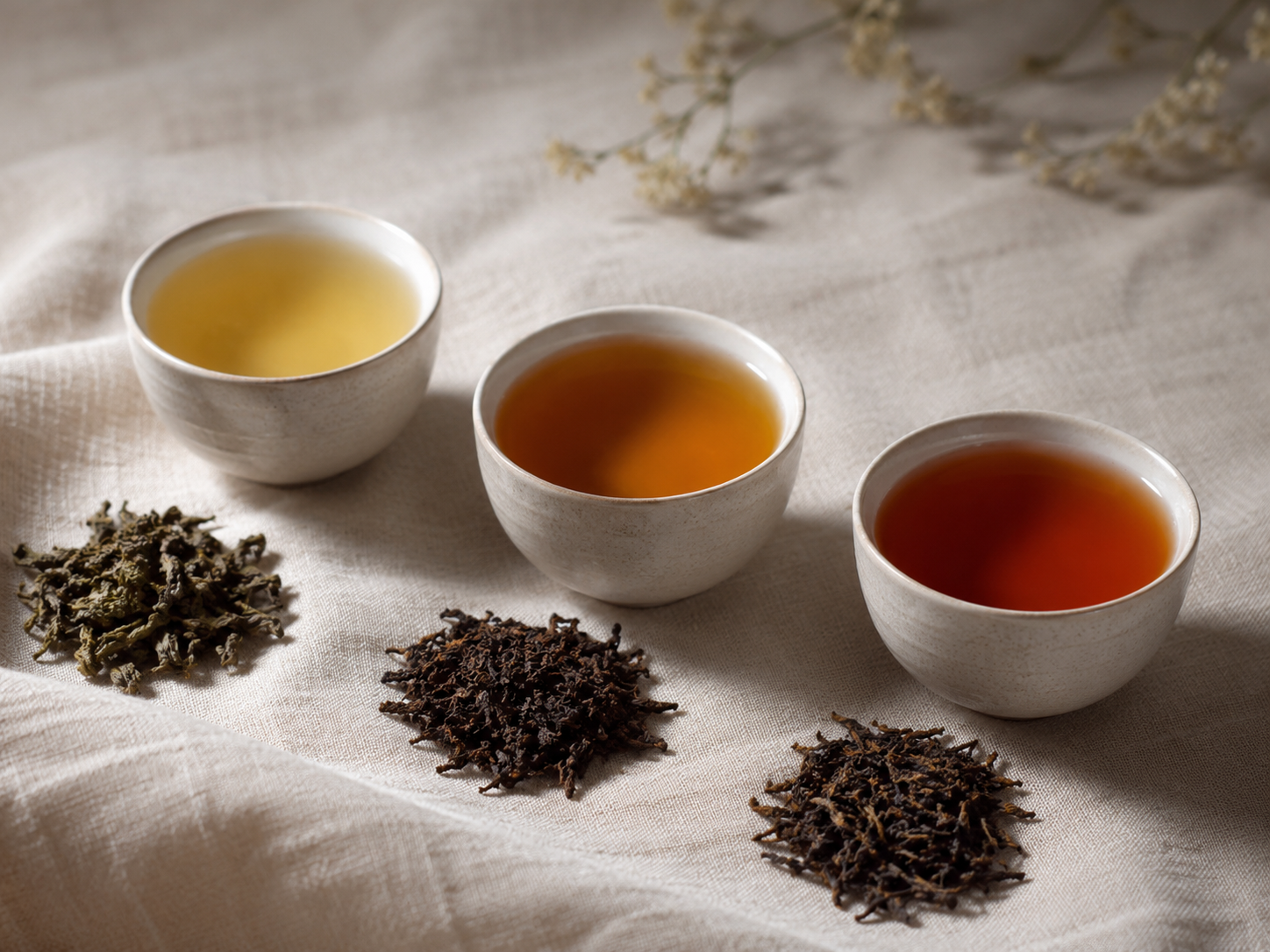
A first flush Darjeeling may taste lighter, greener and more floral. A second flush Darjeeling may taste fuller, fruitier and more muscatel. An autumn flush may feel smoother, warmer and more rounded.
Darjeeling tea harvest seasons explained
Darjeeling tea is strongly influenced by the season in which it is harvested. These harvest periods are often called flushes.
| Darjeeling harvest | Typical season | General flavour profile |
|---|---|---|
| First Flush | Spring | Light, fresh, floral, delicate |
| Second Flush | Early summer | Fuller, fruity, muscatel, complex |
| Monsoon Flush | Rainy season | Stronger, darker, often less delicate |
| Autumn Flush | Autumn | Smooth, rounded, warm |
For beginners, first flush and second flush are the most important to understand.**
First Flush Darjeeling** is often lighter and more delicate. It can feel fresh, floral and slightly green. It is good for people who enjoy elegant, fragrant teas.**
Second Flush Darjeeling** is usually fuller and more rounded. It often has the muscatel note that Darjeeling is famous for. It is good for people who want a richer cup without losing refinement.
How is Darjeeling different from ordinary black tea?
Many people first experience black tea through strong breakfast blends. Those teas are often designed to be bold, dark and powerful, especially with milk.
Darjeeling is different.
It is usually more delicate and aromatic. It is often best enjoyed without milk, because milk can cover the subtle flavour. It is also less about strength and more about balance.
Here is a simple comparison:
| Tea type | Typical body | Common taste | Best enjoyed |
|---|---|---|---|
| Darjeeling tea | Light to medium | Floral, fruity, muscatel | Plain, without milk |
| Assam tea | Full and strong | Malty, bold, rich | With or without milk |
| English breakfast | Medium to strong | Brisk, strong, blended | Often with milk |
| Ceylon tea | Medium | Bright, citrusy, brisk | Plain or with milk |
This does not mean Darjeeling is “better” than other teas. It means it offers a different experience: more aromatic, more seasonal and more connected to origin.
Does Darjeeling tea contain caffeine?
Yes, Darjeeling tea naturally contains caffeine. The amount depends on the leaf, harvest, quantity of tea used, water temperature and steeping time.
In general, Darjeeling can be a good choice if you want a drink that feels lighter than coffee but still gives a gentle sense of energy. Many people enjoy it in the morning or early afternoon.
If you are sensitive to caffeine, it is better to avoid drinking Darjeeling late in the evening. You can also brew it a little lighter by using slightly less tea or a shorter steeping time.
How should beginners brew Darjeeling tea?
Darjeeling tea is delicate, so it is better not to overbrew it. Too much heat or too much time can make the tea bitter.
A good beginner method is:
| Darjeeling type | Water temperature | Steeping time | Notes |
|---|---|---|---|
| First Flush Darjeeling | 85–90°C | 2.5–3 minutes | Keep it light and floral |
| Second Flush Darjeeling | 90–95°C | 3–4 minutes | Brings out fuller muscatel notes |
| Autumn Flush Darjeeling | 90–95°C | 3–4 minutes | Smooth and rounded |
| Stronger cup | 95°C | 4 minutes | Use carefully to avoid bitterness |
A simple starting point is 2 grams of tea for 200 ml of water. From there, adjust depending on your taste.
If the tea tastes too bitter, reduce the steeping time. If it tastes too light, use a little more tea rather than steeping it for too long.
Should you drink Darjeeling tea with milk?
You can drink Darjeeling with milk if you like, but many Darjeeling teas are best enjoyed plain.
The reason is simple: Darjeeling is often delicate. Milk can hide the floral, fruity and muscatel notes that make the tea special.
If you prefer milk tea, a stronger Assam or breakfast blend may be more suitable. If you want to discover Darjeeling properly, try it first without milk or sugar.
This lets you taste the origin, aroma and seasonal character more clearly.
How do you choose your first Darjeeling tea?
If you are buying Darjeeling tea for the first time, do not overcomplicate it.
Look for:
- Clear origin — the tea should say Darjeeling.
- Harvest information — first flush, second flush or autumn flush if available.
- Loose leaf format — better for aroma and tasting.
- Fresh packaging — tea should be protected from air, light and moisture.
- Simple tasting notes — floral, muscatel, fruity or smooth.
For a first purchase, second flush Darjeeling is often a good starting point because it gives a fuller and more recognisable Darjeeling profile. First flush is excellent if you prefer a lighter, fresher and more floral cup.
Is Darjeeling tea good for gifting?
Yes, Darjeeling tea can be an elegant gift because it feels refined without being complicated. It is especially suitable for people who enjoy slow mornings, quiet rituals, premium food products or Indian origin stories.
A good Darjeeling gift does not need to be large. A small pack of high-quality loose leaf tea, a simple brewing guide and a personal note can feel thoughtful and premium.
This is one of the ideas behind ChaiSoul: to make Darjeeling tea easier to understand and enjoy in Europe.
Why ChaiSoul begins with Darjeeling
ChaiSoul begins with Darjeeling because it represents everything we want the brand to stand for: origin, calm, craft and emotional connection.
We are a Luxembourg-based tea brand with roots connected to West Bengal and a deep appreciation for the quiet ritual of tea. Our goal is to bring premium Darjeeling tea from India to Europe in a way that feels clear, honest and beautiful.
For us, Darjeeling is not just another black tea. It is a story of hills, harvests, gardens and small daily moments.
Final thoughts
Darjeeling tea is a premium tea from the Himalayan foothills of India. It is known for its delicate aroma, seasonal character and refined taste.
It can be floral, fruity, fresh, muscatel or smooth depending on the harvest. It is usually best enjoyed plain, brewed carefully and tasted slowly.
For beginners, Darjeeling is one of the most rewarding teas to discover because it teaches you that tea can be more than strong or weak. It can be expressive, elegant and connected to a place.**
ChaiSoul is preparing its first Darjeeling tea collection for Europe. Join our waitlist to be notified when our first teas are ready.**