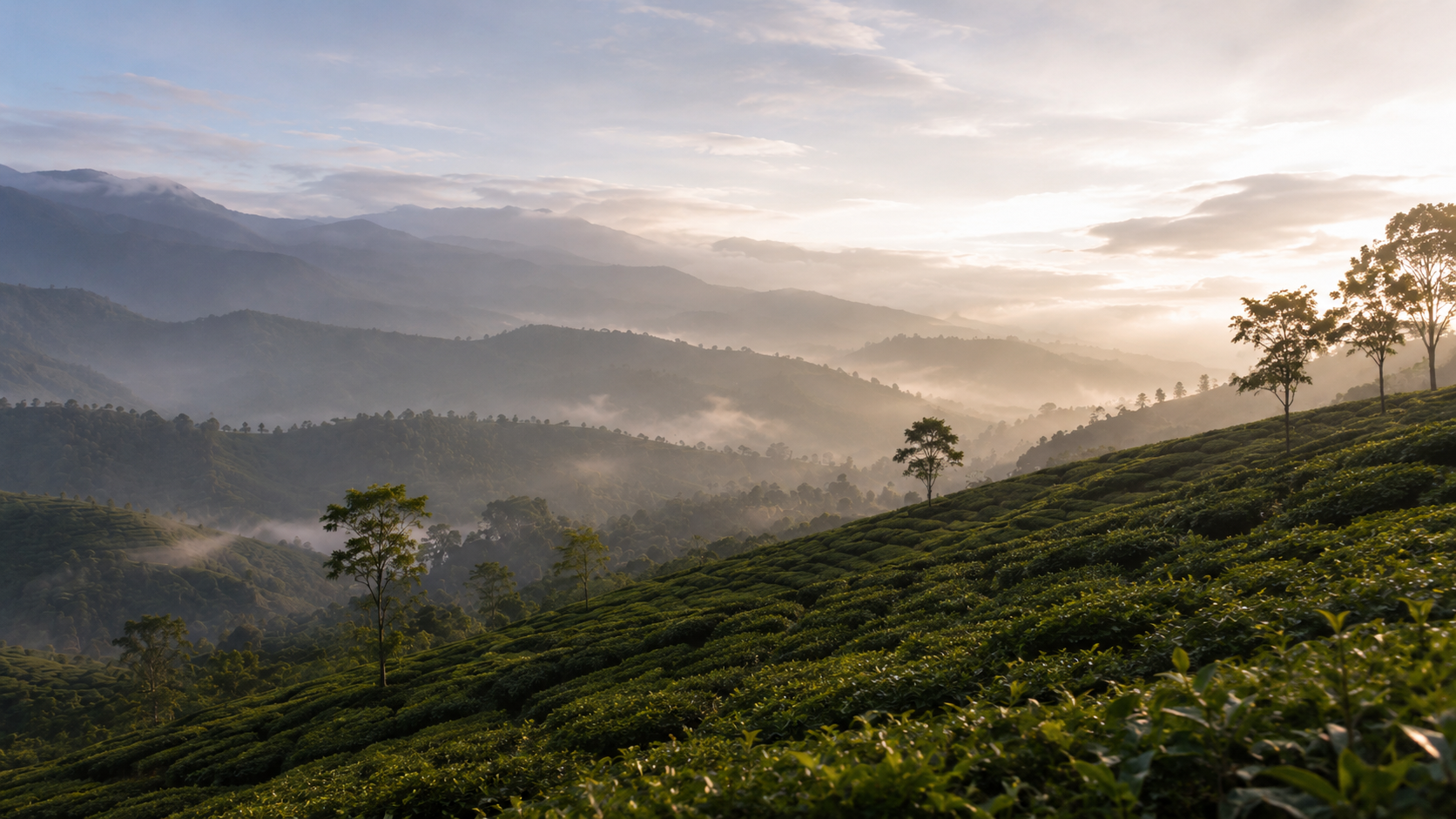
Darjeeling Tea Benefits: Why This Himalayan Tea Is So Special
A complete guide to Darjeeling tea’s origin, flavour, natural qualities and how to enjoy it properly.
Darjeeling tea is often described as the “champagne of teas” — not because it is sparkling, but because its identity is deeply connected to a specific place, climate and craft tradition. Grown in the misty hills of Darjeeling in West Bengal, India, this tea is valued for its delicate aroma, layered flavour and elegant character.
But when people search for the benefits of Darjeeling tea, they are often looking for more than a list of health claims. They want to understand why this tea feels different from ordinary black tea, why it is considered premium, whether it contains caffeine, how it tastes, and how to enjoy it properly.
This guide explains the real benefits of Darjeeling tea in a balanced way: its origin, flavour, natural composition, drinking experience and role in a slower daily ritual.
1. Darjeeling tea has a unique origin
One of the biggest benefits of Darjeeling tea is its origin. True Darjeeling tea comes from a specific region in the Himalayan foothills of India, where altitude, mist, rainfall, cool air and mountain soil shape the tea leaves.
This matters because tea is not only a drink. Like wine, coffee or chocolate, tea carries the character of the place where it grows. A Darjeeling tea from the hills will not taste the same as a strong Assam tea from the plains or a brisk Ceylon tea from Sri Lanka.
Darjeeling teas are usually lighter, more aromatic and more nuanced. Depending on the harvest season, they can show floral, fruity, muscatel, fresh green, honeyed or gently woody notes.
For someone who wants to drink tea with more attention and appreciation, Darjeeling offers a sense of place in the cup.
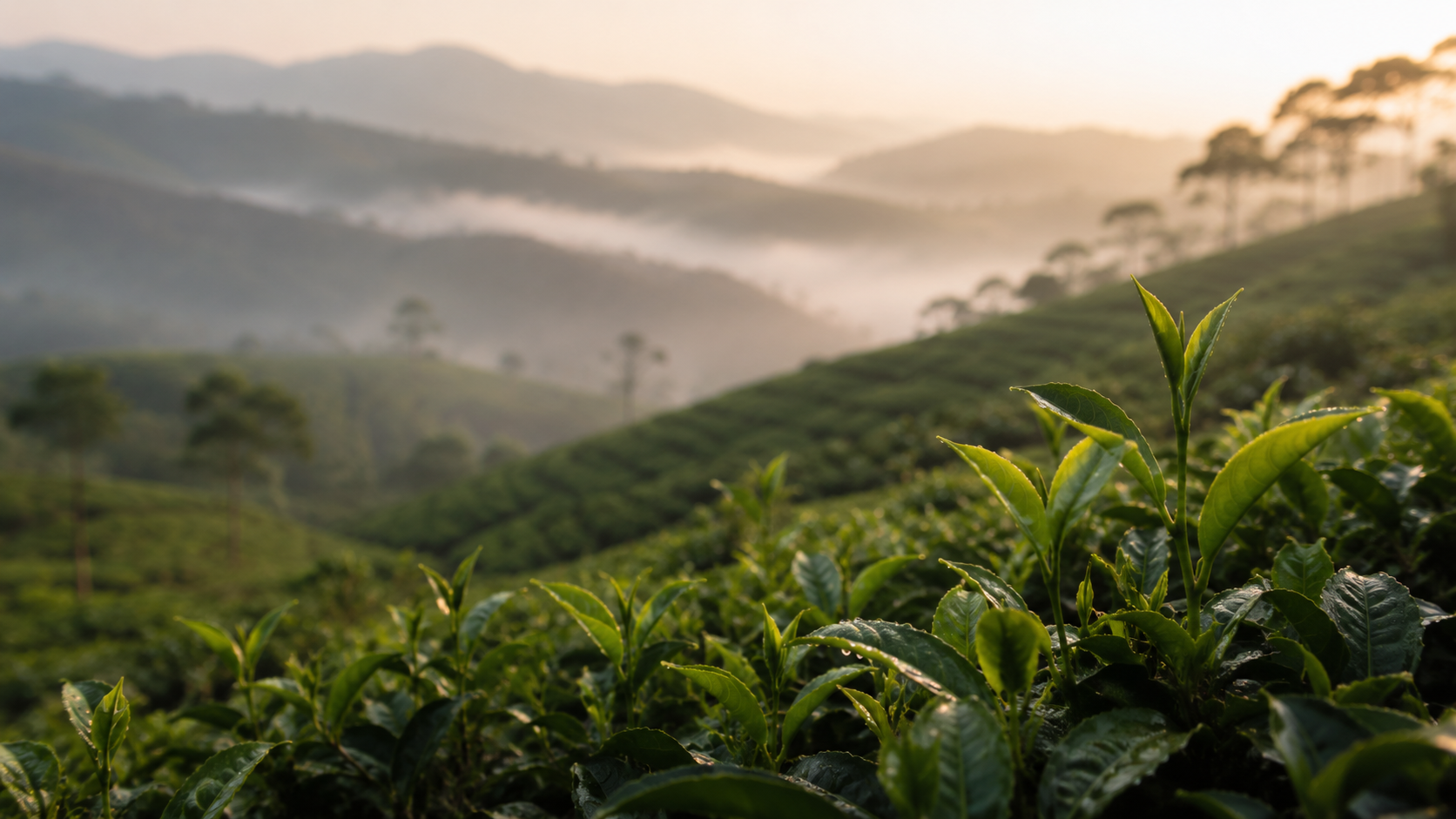
Darjeeling tea is shaped by altitude, mist and mountain climate.
2. It offers a refined flavour without needing sugar or milk
A good Darjeeling tea does not need to be hidden under sugar, milk or strong flavourings. Its natural taste is the point.
This can be a genuine everyday benefit. Many people want a drink that feels special but does not rely on sweetness. Darjeeling can offer complexity on its own: a soft aroma, a clean finish and a taste that changes slightly as the cup cools.
First flush Darjeeling, harvested in spring, is usually lighter, fresher and more floral. Second flush Darjeeling, harvested in early summer, is often fuller, rounder and known for its muscatel character. Autumn flush can be smoother and warmer.
This variety means Darjeeling is not only one taste. It is a category of teas with different moods and occasions.
3. It contains natural caffeine, but usually feels lighter than coffee
Darjeeling tea naturally contains caffeine because it is made from the Camellia sinensis plant. The exact caffeine level depends on the leaf, harvest, quantity used, water temperature and steeping time.
For many tea drinkers, Darjeeling offers a gentler alternative to coffee. It can support alertness and focus, but the experience is usually softer and slower than the quick intensity of an espresso.
This is one reason Darjeeling works well in the morning, during a mid-afternoon pause, or as a thoughtful workday drink. It gives you a moment of energy without turning the drink into a heavy ritual.
If you are sensitive to caffeine, pregnant, avoiding stimulants or drinking tea late in the day, it is better to choose a lighter infusion, use fewer leaves, or enjoy Darjeeling earlier rather than close to bedtime.
4. It is naturally sugar-free and very low in calories
Plain Darjeeling tea contains no added sugar and is naturally very low in calories when prepared without milk, sweeteners or syrups.
This makes it useful for people who want something more interesting than water but lighter than soft drinks, sweetened iced tea, flavoured lattes or dessert-style beverages.
The benefit is simple: Darjeeling gives flavour, warmth and ritual without needing to become a sugary drink.
Of course, tea should not be treated as a magic health solution. But as part of a balanced lifestyle, replacing one sweet drink with a carefully brewed cup of tea can be a small and enjoyable habit.
5. It contains natural tea polyphenols
Tea leaves naturally contain plant compounds known as polyphenols. Black teas such as Darjeeling contain compounds formed during oxidation, contributing to colour, aroma, astringency and taste.
This is one reason tea is often discussed in relation to antioxidants. However, it is important to be careful with wording. A cup of tea is not medicine, and Darjeeling tea should not be presented as curing, preventing or treating disease.
The better way to understand this benefit is simple: Darjeeling is a natural, plant-based drink with a long tradition of consumption. When enjoyed plain and in moderation, it can be part of a calm, balanced daily routine.
6. It supports digestion as a warm after-meal drink
Many people enjoy black tea after meals because warmth, aroma and gentle bitterness can feel pleasant after eating. Darjeeling, especially a slightly fuller second flush or autumn flush, can be a refined after-lunch or after-dinner cup.
This does not mean Darjeeling “cures” digestion. But it can make a meal feel complete in the same way that a simple espresso, herbal infusion or small dessert might.
For best results after a meal, avoid overbrewing. A bitter, over-extracted cup can feel harsh. A properly brewed Darjeeling should be clean, aromatic and comfortable.
7. It encourages a slower tea ritual
One underrated benefit of Darjeeling tea is the ritual around it.
Loose leaf tea asks you to pause for a few minutes. You measure the leaves, heat the water, wait for the infusion and notice the aroma. This small routine can make an ordinary day feel more intentional.
In a world of fast drinks and rushed habits, Darjeeling invites a slower experience. You do not need special equipment to enjoy it, but a good cup does ask for attention.
That attention is part of the pleasure.
8. It helps you discover the difference between harvest seasons
Darjeeling tea is especially interesting because the harvest season changes the taste.
Here is a simple guide:
| Darjeeling flush | Typical season | General taste profile |
|---|---|---|
| First flush | Spring | Light, fresh, floral, delicate |
| Second flush | Early summer | Fuller, fruity, muscatel, complex |
| Monsoon flush | Rainy season | Stronger, darker, often less delicate |
| Autumn flush | Autumn | Smooth, rounded, warm |
This makes Darjeeling a good tea for people who enjoy learning. You can taste the difference between spring and summer, between lighter and fuller cups, between delicate aroma and deeper body.
For ChaiSoul, this is one of the most exciting parts of building a Darjeeling tea collection. The goal is not only to sell tea, but to help people understand what they are drinking.
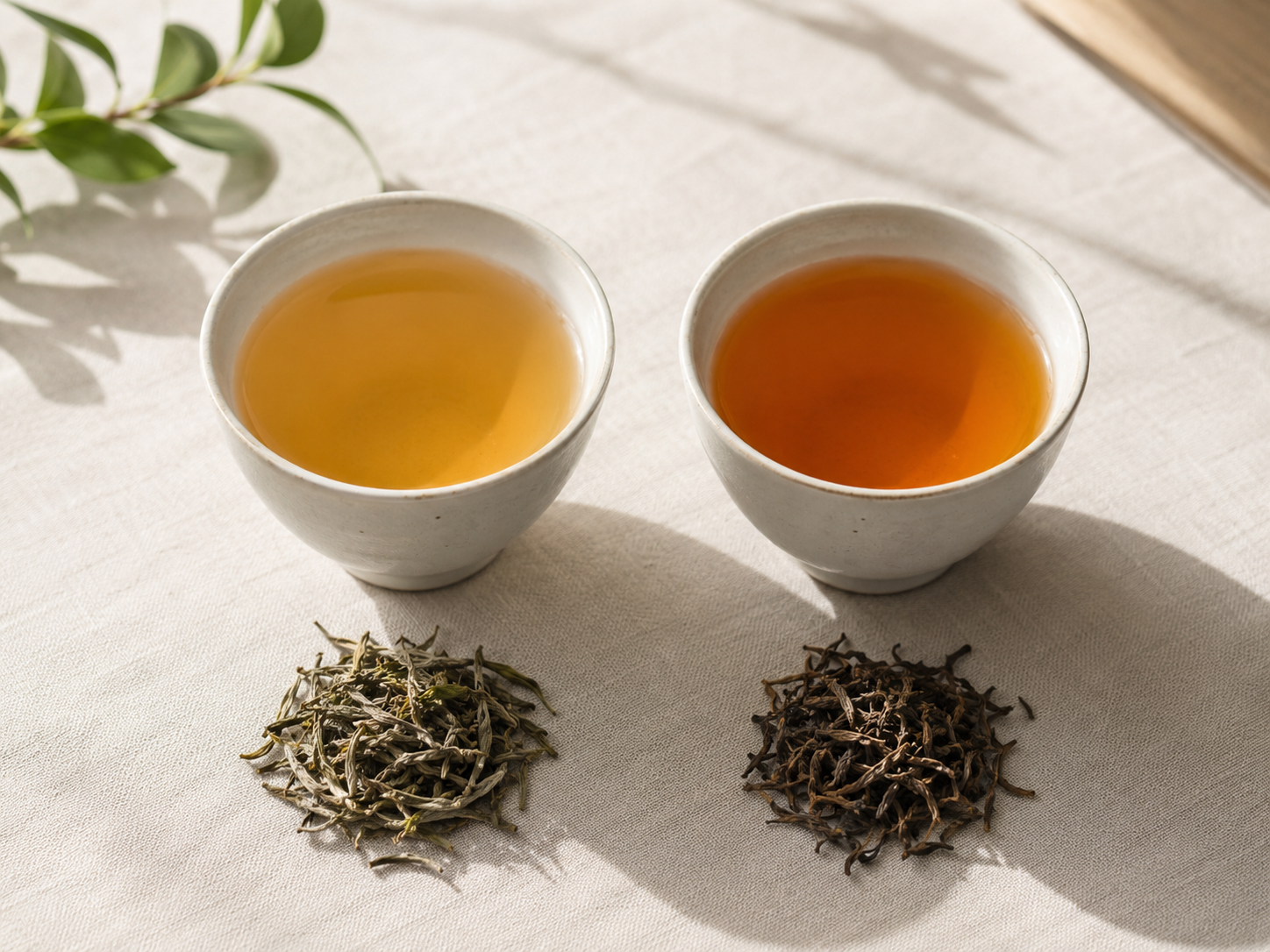
First flush and second flush Darjeeling can taste noticeably different.
9. It is elegant enough for daily drinking and special moments
Darjeeling can be simple or ceremonial.
You can drink it at your desk in the afternoon. You can serve it after lunch. You can offer it to guests. You can pair it with light pastries, biscuits, fruit, soft cheeses or simple cakes. You can also enjoy it completely alone, without food, as a quiet moment.
This flexibility is part of its appeal. It is premium, but it does not need to feel complicated.
A good Darjeeling tea can turn a normal break into something more thoughtful.
10. It teaches you to taste tea properly
Many people think they do not like tea because they have only tasted overbrewed tea bags or low-quality blends. Darjeeling can change that.
When brewed correctly, it shows that tea can be delicate, layered and expressive. It can have aroma before you even taste it. It can feel light but still memorable. It can have structure without being heavy.
To enjoy Darjeeling properly, start with these simple brewing guidelines:
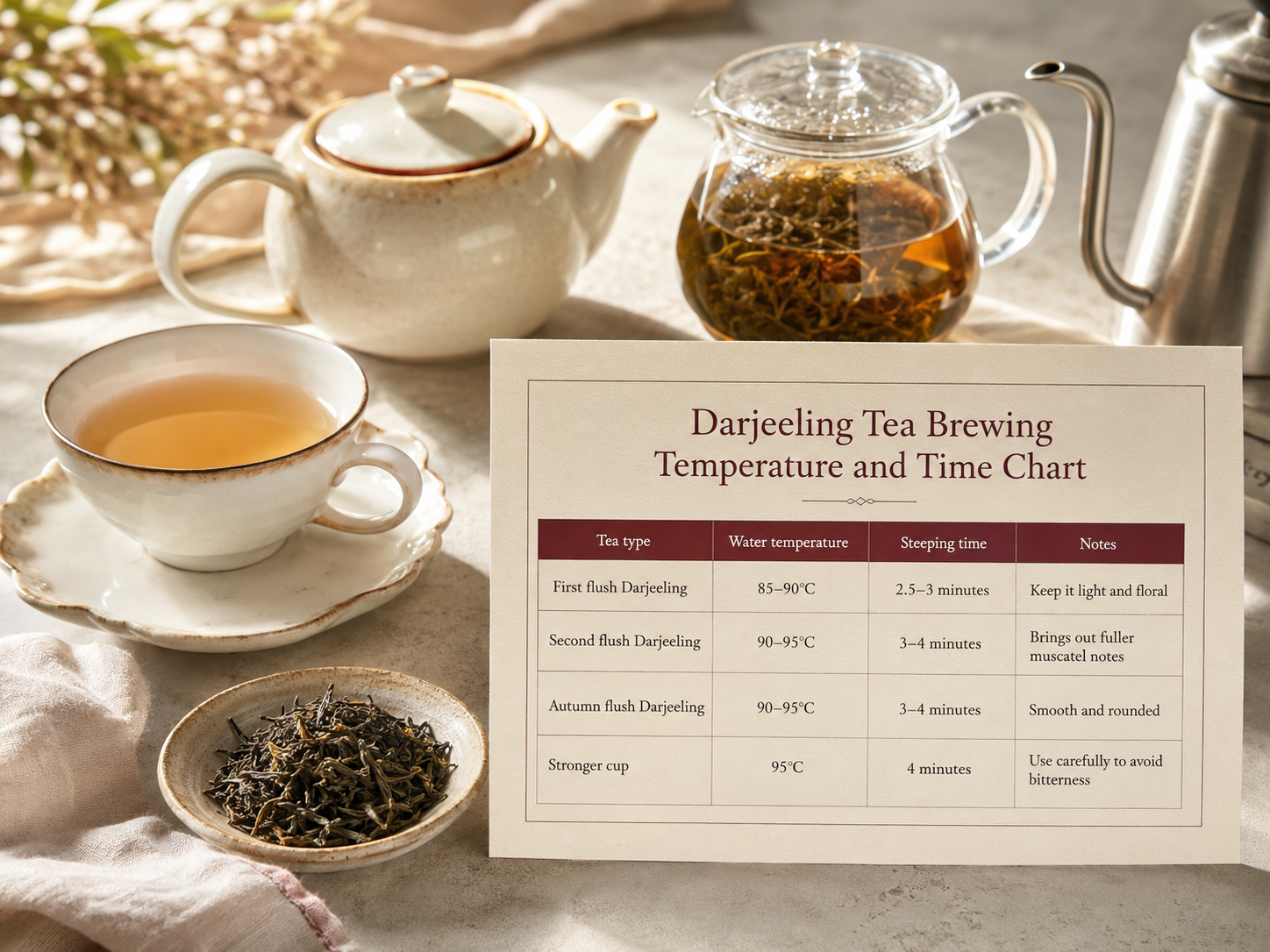
A good starting point is around 2 grams of tea per 200 ml of water. Adjust depending on your taste.
A simple brewing guide helps preserve Darjeeling tea’s delicate aroma.
Is Darjeeling tea good for you?
Darjeeling tea can be a good choice if you want a natural, unsweetened, aromatic drink with moderate caffeine and a refined flavour. It can support a calmer daily routine, replace sugary drinks and offer a more mindful alternative to rushed coffee breaks.
But it should not be treated as a medical product. The best reason to drink Darjeeling is not because it promises miracles. The best reason is because it is beautiful, nuanced and enjoyable.
A good cup of tea is a small daily pleasure — and sometimes that is enough.
Who may enjoy Darjeeling tea most?
Darjeeling tea may be a good fit for you if:
- You enjoy black tea but want something lighter and more aromatic.
- You are curious about premium Indian tea.
- You want a drink that does not need sugar.
- You like floral, fruity or muscatel flavours.
- You want to learn the difference between first flush and second flush teas.
- You are looking for a thoughtful alternative to coffee.
- You enjoy slow, simple rituals at home or work.
How ChaiSoul thinks about Darjeeling tea
ChaiSoul is being built around the idea that tea should be calm, honest and connected to origin.
Our focus is Darjeeling tea from India, introduced to Europe through a Luxembourg-based brand with a personal connection to West Bengal and a deep appreciation for slow tea moments.
We believe Darjeeling should not be treated as just another black tea. It deserves to be understood: where it comes from, how it is harvested, how it changes by season and how it should be brewed.
That is the experience we want to share through ChaiSoul.
Final thoughts
The benefits of Darjeeling tea are not only about caffeine or antioxidants. They are also about taste, origin, ritual and discovery.
Darjeeling tea offers a delicate way to slow down. It brings the character of the Himalayan foothills into the cup. It can be light or complex, floral or muscatel, everyday or special.
For anyone beginning their journey into premium tea, Darjeeling is one of the most rewarding places to start.
ChaiSoul is preparing its first Darjeeling tea collection for Europe. Join our waitlist to be notified when our first teas are ready.